On September 19, Rizzo Field on Pottle Street filled with lawn chairs and food trucks for Olde Home Day, the biggest single event Kingston's Tricentennial Committee has staged all year, closed out with a fireworks display that committee planning documents scoped at forty thousand shots, as reported by CitizenPortal. Four days later, the field was empty and quiet again. But the town's 300th birthday isn't done. One more major event, built almost entirely on volunteer labor, is still ahead in October, and the shape of the year so far says something worth knowing before it happens.
Kingston became its own town on June 16, 1726, splitting off from what had been the North Precinct of Plymouth. Three hundred years is a strange number to plan a calendar around: big enough to justify a proclamation and a parade, long enough that nobody alive remembers the last one. The Board of Selectmen created a 300th Committee back in November 2022 at the recommendation of the town's Historical Commission, giving organizers nearly four years to figure out what a proper tricentennial should look like. The committee kept its recruiting wide, actively seeking members from across Kingston's Wampanoag Native community, its churches, schools, senior population, veterans and business owners, rather than treating the anniversary as a single interest group's project.
Spring Events Took Shape
The year began with a change in the festival plans. The original vision for a 300th Art Festival was ambitious by design: exhibitions spread across the Adams Center on Summer Street, the Beal House and First Parish on Main Street, a retrospective at Faunce School, and a companion display at the Kingston Public Library, all open to artists from across the region and not just Kingston residents. A CitizenPortal report says the committee had revised the plan to a single afternoon by March. On May 9, the festival became one retrospective at Faunce School, chaired by Tom Vendetti, featuring work from four artists tied to the town's history: Lillias Cingolani, Gobin Stair, Marshal Joyce and Ada Brewster. Free, open to the public, over by 3 p.m.
The festival's scope changed, and the spring events differed in scale from their original proposals. The proclamation on June 27 was a modest afternoon on the Town Green, one to four o'clock, marking the anniversary of the town's first meeting rather than a full production. The parade on July 25 started at Kingston Elementary School and ended at the Town House, with the Kingston Police Department Honor Guard confirmed to march and the fire department still working to arrange its own. Organizers suggested a voluntary twenty-five dollar donation for anyone entering a float. Together, they gave the spring calendar a mix of civic ceremony and community pageantry.
Olde Home Day Brought a Larger Production
The event was a four-to-nine-o'clock evening at Rizzo Field with a fireworks request for proposals calling for forty thousand shots, a scale that dwarfs anything else on the year's calendar. The event carried a rain date of September 26, a full week later, suggesting organizers built in room for New England weather to cooperate on the second try if needed.
The October Tour Needs Docents, Not Tickets
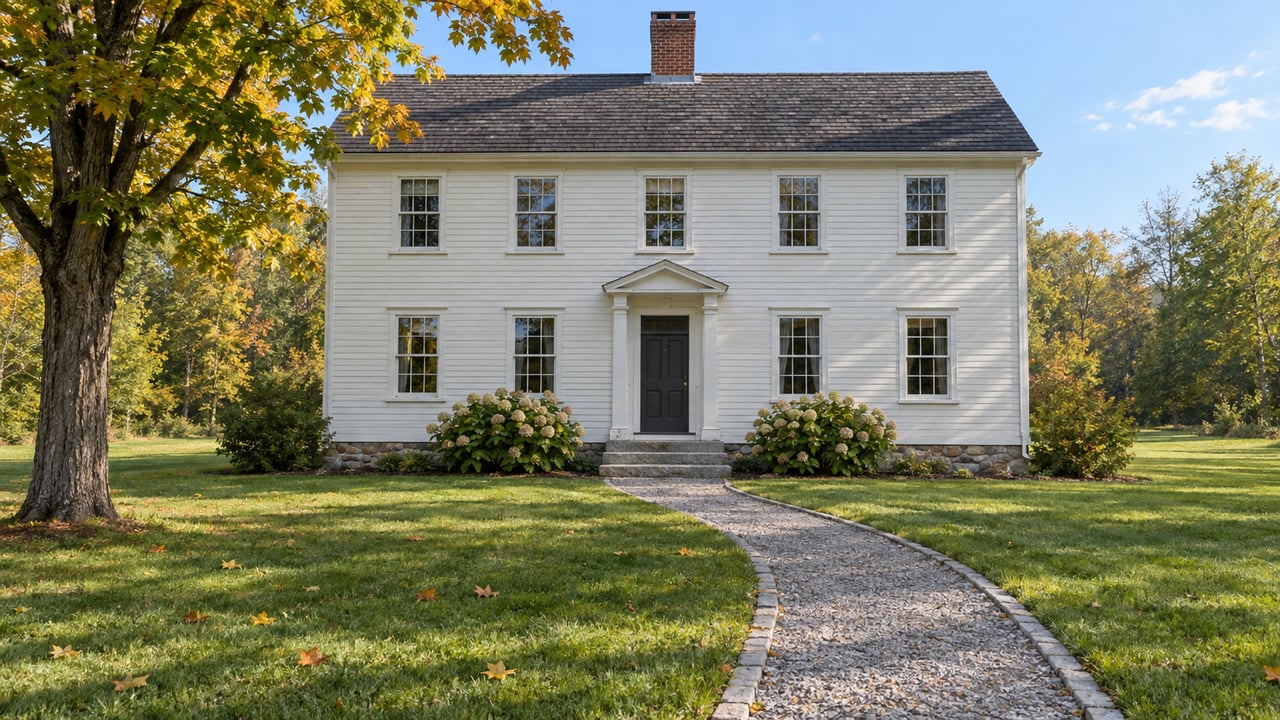
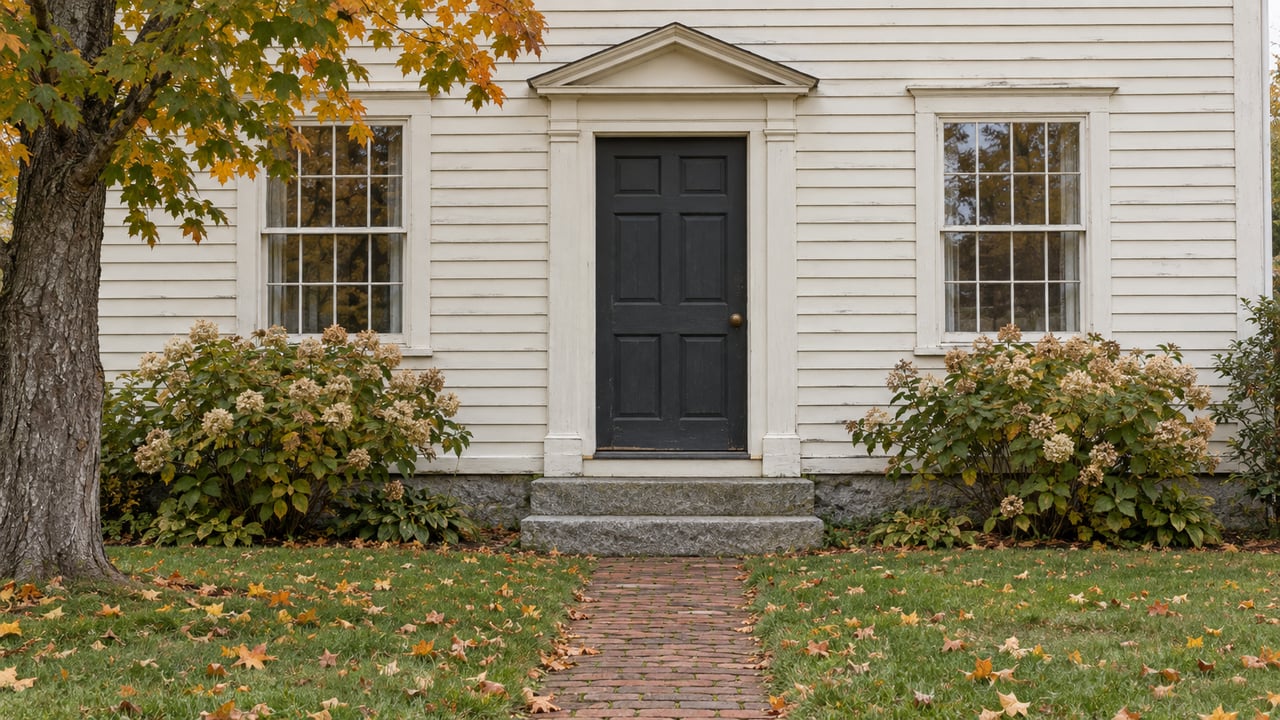
The event still ahead is different in kind from everything before it. On October 10, the Tricentennial Committee is running a Historic House and Cemetery Tour and Scavenger Hunt across roughly ten locations around town. It's the most labor-intensive piece of the whole celebration: committee estimates call for around sixty volunteer docent shifts of two to four hours each, meaning the tour can't happen as planned without a meaningful chunk of the town showing up to staff it. Planning has included site-specific groundwork most residents will never see unless they go looking for it, including a garden survey at the Bradford House and coordination between committee members and family stewards connected to some of the properties on the route.
This is the event where a resident's own participation changes what the day looks like. A house tour with sixty staffed shifts across ten sites is a fundamentally different experience than one running on a skeleton crew, and the committee has been explicit that volunteer sign-ups and shift scheduling were still open tasks as of its spring planning meetings. Anyone who has wondered what's inside the Bradford House, or who wants a reason to walk Kingston's older streets with some historical context attached, has a direct way to shape how well that day comes together. Details on shifts and locations are tracked through the Kingston 300th Committee page on the town's website.
One More Party, Still Being Built
A Tricentennial Gala is also in the works, planned for The Jones River Trading Post as what organizers have described as a signature event for the anniversary year. Unlike the other dates on this list, the gala doesn't have a confirmed date yet. The committee has been recruiting a Gala Working Group and asking for raffle and auction donations, which means the event is still in the assembly phase rather than the countdown phase. It's worth watching the town's Tricentennial page for a firm date, since a signature gala arriving after the house tour could give the anniversary year a celebratory close.
Kingston's 300th year has included changes to its event plans. The art festival was scaled back in March, while Olde Home Day became the year's largest production by September. The October house tour will depend on volunteer docents, and residents who sign up for a shift can help shape how the day comes together. Three hundred years doesn't happen again for a while. The next few weeks are what's left of it.
If you're weighing what a piece of Kingston's history is actually worth, or thinking about a move into one of the streets this fall's house tour will pass through, Kristen Kaskela knows this town well enough to talk through both.